“`html
When Your Chester Home Feels Stuck in 2005
Last winter, a homeowner on the south side of Chester realized she was still getting out of bed at midnight to manually adjust her thermostat when temperatures dropped unexpectedly—a common occurrence in Crawford County where evenings can swing 20 degrees in a matter of hours. Meanwhile, her Ring doorbell kept losing power during the hottest summer afternoons, cycling off right when package deliveries arrived. These weren’t isolated headaches. They were symptoms of a home trying to run 2024 smart technology on electrical infrastructure designed for an entirely different era.
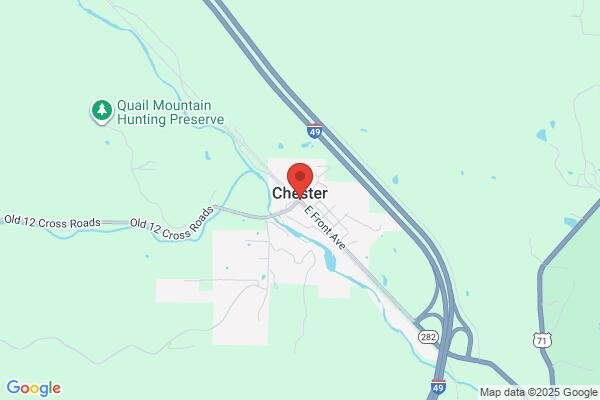
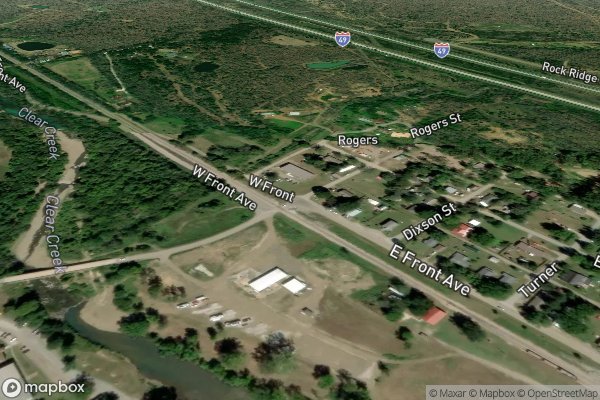
Chester’s housing stock presents unique challenges for smart home upgrades. Many homes in the 72934 area were built between the 1970s and early 2000s, before smart devices became standard. If you’ve ever attempted a smart dimmer switch installation only to discover your wall box has no neutral wire—a common issue in older Chester homes—you understand the frustration. What seems like a simple fifteen-minute upgrade suddenly becomes an electrical puzzle that requires professional expertise.
Why Your Smart Devices Keep Failing (And What’s Really Going On Behind Your Walls)
Smart home technology demands more from your electrical system than traditional devices. A standard mechanical doorbell transformer supplies 16 volts and maybe 10 volt-amps of power—barely enough to ring a chime. But a Ring doorbell with its camera, motion sensors, WiFi connection, and night vision? That device needs 16-24 volts and at least 30 volt-amps to function reliably. When Arkansas summer heat pushes attic temperatures above 140 degrees, an undersized transformer can’t keep up. Your doorbell starts experiencing “low power” warnings, missing motion events, or shutting down completely.
The neutral wire situation creates even bigger headaches. Traditional light switches only needed two wires: one bringing power in, another sending it to the fixture. Smart switches need that third neutral wire to maintain constant power for their internal circuitry, even when the lights are off. Without it, you’ll encounter flickering LEDs, switches that randomly reboot, or devices that simply won’t install. Some newer smart switches like Lutron Caseta models work without neutral wires, but they cost $60-80 per switch compared to $25-35 for standard smart switches—and they still require a separate hub device.
The Real Cost Breakdown for Chester Homeowners
Understanding what you’ll actually spend helps you budget appropriately and avoid sticker shock. Here’s what smart home electrical installation typically costs in the Chester area:
- Smart thermostat wiring and installation: $150-300 including the C-wire installation that most smart thermostats require (Nest, Ecobee, Honeywell Home models need constant power)
- Ring doorbell transformer upgrade: $125-225 for a professional to install a properly-rated 24V/40VA transformer with correct wire gauge to your doorbell location
- Smart switch installation no neutral wire: $85-150 per switch when an electrician needs to fish new wiring through walls, or $60-95 if you opt for neutral-free compatible switches
- Smart dimmer switch installation: $75-120 per switch for standard installations with existing neutral wires and compatible LED bulbs
- Whole home smart lighting installation: $1,200-3,500 depending on home size, typically covering 12-25 switches/dimmers with a central hub system
Three Common Mistakes That Cost Chester Homeowners Hundreds
The biggest error homeowners make is assuming all smart devices work with existing wiring. You buy a $45 smart dimmer at the hardware store, watch a YouTube installation video, remove your old switch, and discover a rats’ nest of wires that don’t match the tutorial. Now you’ve got an open junction box, no working light, and a growing sense of regret. The DIY approach works fine in newer construction, but Chester’s older homes often have outdated wiring methods, missing grounds, or aluminum wiring that requires special handling.
Second mistake: underestimating load calculations. That whole home smart lighting installation sounds amazing until you realize your twelve new smart switches are all drawing phantom power 24/7, adding continuous load to circuits that were already near capacity. A qualified electrician will calculate your panel’s available capacity and potentially redistribute circuits before installation. Ignoring this can trip breakers repeatedly or, worse, create fire hazards from overheated wiring.
Third issue: mixing incompatible technologies. You install Lutron switches in the living room, TP-Link in bedrooms, and a different brand for outdoor fixtures. Now you need three separate apps, can’t create whole-home scenes, and your voice assistant only controls two of the three systems. Planning your ecosystem before buying prevents expensive do-overs.
Questions Every Chester Homeowner Should Ask Before Starting
When you’re ready to upgrade, finding the right electrical professional in Chester, AR makes all the difference. Ask potential contractors about their experience with smart home systems specifically—not just general electrical work. Do they understand mesh network requirements for whole-home systems? Can they troubleshoot WiFi dead zones that might affect device performance? Have they worked with homes in the 72934 area and dealt with the wiring quirks common to Chester’s building periods? A contractor familiar with local conditions will anticipate challenges before opening your walls, saving you time and unexpected costs.
“`