“`html
When Your Voice Commands Echo Through Empty Hallways in Magnolia
You’re standing in your Magnolia kitchen at 6:30 AM, coffee in hand, repeatedly telling Alexa to turn on the living room lights. Nothing happens. You bought those “smart” bulbs three months ago, imagining a seamlessly connected home where lights respond to your voice, your thermostat adjusts automatically, and your Ring doorbell streams crystal-clear video. Instead, you’ve got a drawer full of incompatible gadgets, lights that flicker when they feel like it, and a sneaking suspicion that your 1980s-era electrical system wasn’t exactly designed for the smart home revolution. The truth is, most homes in Magnolia’s established neighborhoods—particularly those built before 2000—lack the neutral wiring and proper electrical infrastructure that modern smart devices desperately need.
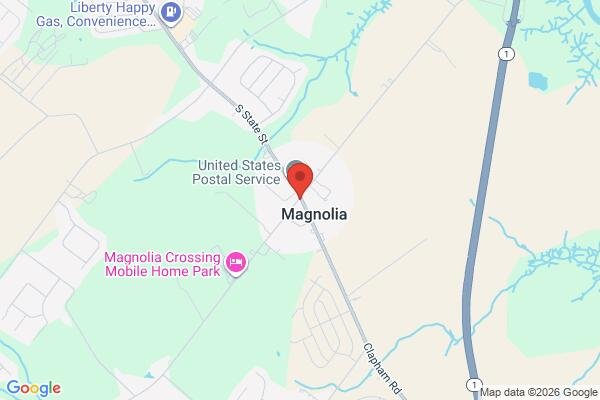
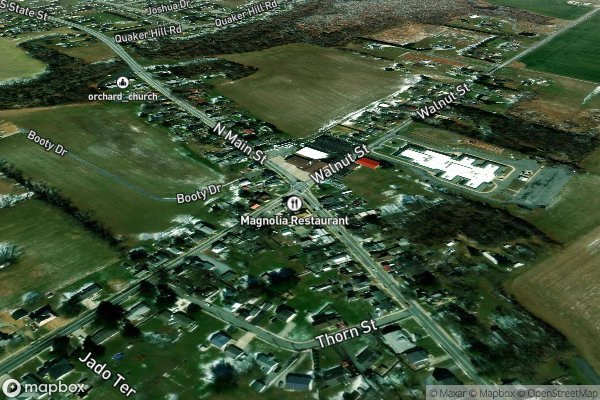
What Your Walls Are Hiding: The Neutral Wire Problem
Here’s the frustrating reality: about 60% of homes in the 19962 area built before the late 1990s don’t have neutral wires in their light switch boxes. Smart switches need that neutral wire to maintain constant power for their wireless radios and processors, even when the lights are “off.” When you flip open a switch plate in many Magnolia homes, you’ll find just two wires—a hot (usually black) and a load wire (often red or another black). That missing white neutral wire is the difference between smart switch installation that works flawlessly and a DIY project that ends in frustration.
Some newer smart switches work without neutral wires—brands like Lutron Caseta and Inovelli make models specifically for older homes—but they come with limitations. These switches typically require a minimum load (meaning you can’t use them with low-wattage LED bulbs) and cost $50-80 per switch compared to $25-40 for standard smart switches. Professional smart switch installation no neutral wire solutions might involve running new wiring, installing micro modules behind existing switches, or strategically placing smart bulbs with dumb switches in certain rooms. A qualified electrician can assess your specific situation in about 30 minutes and give you options tailored to your home’s wiring.
The Smart Home Upgrade That Pays for Itself: Thermostats
Delaware’s humid summers and chilly winters make smart thermostat wiring and installation one of the smartest investments for Magnolia homeowners. The average home in Kent County spends $1,800-2,400 annually on heating and cooling. A properly installed Nest, Ecobee, or Honeywell smart thermostat can reduce that by 15-23% through learning algorithms, geofencing, and room sensor integration. But here’s what most homeowners don’t realize: your existing thermostat wiring might not support the features you’re paying for. Most smart thermostats need a C-wire (common wire) for continuous power. Many older HVAC systems in Magnolia lack this wire, or it was never connected at the thermostat.
DIY thermostat installation seems straightforward until you’re staring at seven wires of different colors and your heat pump won’t activate. Professional installation costs $150-275 in the Magnolia area and includes proper C-wire installation if needed, system compatibility testing, and calibration with your specific HVAC equipment. Your installer should also verify your system’s heat pump settings—critical for Delaware’s climate where you need both efficient cooling and heating performance.
Common Smart Home Electrical Mistakes That Cost Magnolia Homeowners
After working with dozens of local homeowners, we’ve seen these expensive mistakes repeatedly:
- Installing Ring doorbells on inadequate transformers: Your original doorbell transformer probably outputs 10-16 volts. Ring Video Doorbells need 16-24 volts to function reliably, especially during winter. A Ring doorbell transformer upgrade costs $120-200 professionally installed but prevents constant disconnections and battery drain.
- Mixing incompatible smart lighting protocols: Zigbee, Z-Wave, Wi-Fi, and Bluetooth devices don’t play nicely together without proper hub configuration. Choose one ecosystem before buying 20 switches.
- Overloading circuits with smart devices: Each smart switch, hub, and device draws constant power. Adding 15 smart switches to a circuit designed for four light fixtures can trip breakers or create fire hazards.
- Ignoring load calculations for smart dimmer switch installation: LED-compatible dimmers have maximum loads (typically 150 watts for LEDs). Six 15-watt LED bulbs on one dimmer exceeds capacity and causes flickering or failure.
- Attempting whole home smart lighting installation without planning: Professional installations include load analysis, hub placement for optimal signal coverage, and backup plans when your internet goes down. Random DIY installations create dead zones and unreliable operation.
What Professional Smart Home Electrical Installation Should Include
When you’re ready to transform your Magnolia home into a genuinely smart space, expect these timeframes and costs: single smart switch installation runs $150-225 including the switch; smart thermostat installation with C-wire runs $200-350; Ring doorbell with transformer upgrade costs $175-275; and whole home smart lighting installation for an average 2,000-square-foot home ranges from $2,500-5,500 depending on the number of switches, dimmers, and existing wiring conditions. A thorough installer will test your existing electrical panel capacity, verify proper grounding, ensure your Wi-Fi coverage reaches all devices, program scenes and automations, and provide a written diagram of what’s installed where—invaluable when troubleshooting later.
Look for electricians serving Magnolia, DE who carry proper licensing, maintain insurance specifically covering smart device installation, and offer warranties on both labor and devices. Ask about their experience with your chosen ecosystem (Google Home, Alexa, Apple HomeKit) and request references from local installations. The right professional transforms frustrating technology into the seamless smart home experience you originally imagined.
“`