“`html
When Your Pleasant Dale Home’s Electrical System Meets Tomorrow’s Technology
Last winter, a Pleasant Dale homeowner discovered their 1970s-era home wasn’t quite ready for their new smart thermostat. The device arrived as a Christmas gift—a Nest Learning Thermostat that promised to slash heating bills during Nebraska’s brutal cold snaps. But when they removed the old dial thermostat, they found only two wires staring back at them. The Nest needed at least four, plus a common wire for continuous power. What seemed like a simple weekend project turned into a crash course in why smart home electrical installation requires more than just enthusiasm and a YouTube tutorial.
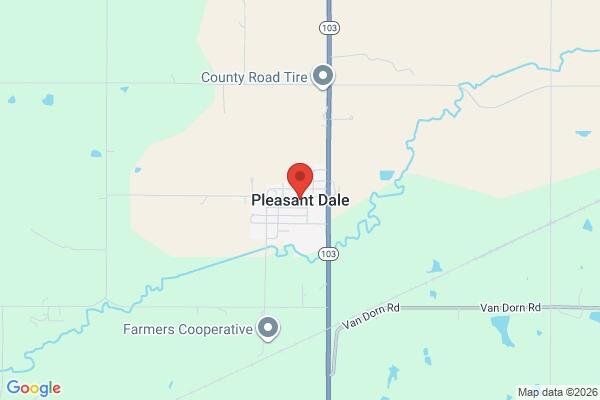
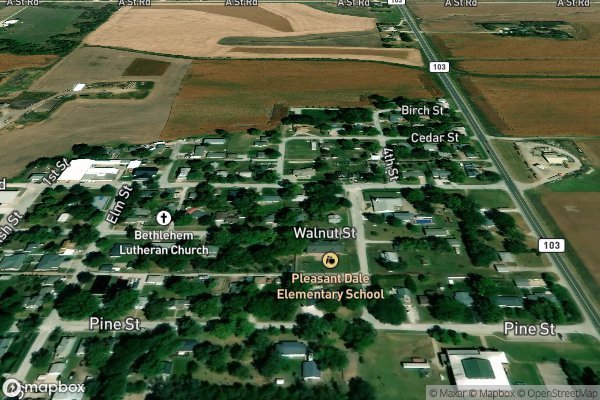
If you’re living in Pleasant Dale’s mix of mid-century ranch homes and newer construction near Highway 6, you’ve probably noticed that smart home technology promises incredible convenience—until your home’s wiring says “not so fast.” The reality? Most homes in the 68423 area weren’t built with smart devices in mind, and retrofitting these systems involves electrical considerations that go far beyond swapping out a light switch.
What Makes Smart Device Installation Different From Traditional Electrical Work?
Traditional light switches are beautifully simple: they break or complete a circuit. Flip it up, lights on. Flip it down, lights off. Smart switches, dimmers, and other connected devices are essentially tiny computers that need constant power to maintain Wi-Fi connections, respond to voice commands, and sync with your smartphone—even when the lights are “off.” This is where many Pleasant Dale homeowners hit their first roadblock during DIY smart switch installation: the neutral wire requirement.
Here’s the technical reality: most homes built before the 1980s have switch boxes containing only a hot wire (usually black), a load wire (often red or another black wire), and a ground wire (bare copper or green). Smart switches typically need that fourth wire—a neutral (white)—to complete their circuit and stay powered. If you open your switch box and don’t see a white wire bundle, you have three options for smart switch installation with no neutral wire available:
- Install smart switches specifically designed for no-neutral setups like Lutron Caseta or C by GE (costs $50-80 per switch but limited in features)
- Run new wiring from your electrical panel to add neutral wires ($150-400 per switch location depending on accessibility)
- Use smart bulbs instead of smart switches keeping traditional switches always “on” ($15-30 per bulb but you lose conventional switch control)
- Install a relay or capacitor-based solution that some electricians can configure for around $100-200 per location
The Ring Doorbell Transformer Dilemma
Ring doorbells have become incredibly popular in Pleasant Dale neighborhoods, but here’s what the product packaging doesn’t emphasize: your existing doorbell transformer probably isn’t powerful enough. Most homes have 10-16 volt, 10VA transformers. Ring Video Doorbells need 16-24 volts with at least 30VA to function reliably—especially during our Nebraska winters when batteries drain faster in sub-zero temperatures. A Ring doorbell transformer upgrade typically costs $120-250 including labor, and it’s not a DIY job. The transformer connects directly to your electrical panel, requiring someone comfortable working with 120-volt household current. Skip this upgrade, and you’ll deal with constant “low power” notifications and missed alerts when someone’s actually at your door.
Smart Thermostat Wiring: Why Professional Installation Pays Off
Smart thermostat wiring and installation represents the sweet spot where DIY ambition meets “maybe I should call someone.” Modern thermostats like Nest, Ecobee, and Honeywell Home need a C-wire (common wire) for power. Many Pleasant Dale homes—particularly those built in the 60s and 70s—have furnaces that never required this wire. Adding one involves either running new wire from your furnace to the thermostat (doable for handy homeowners if you have accessible attic space) or installing a C-wire adapter at your furnace’s control board. The adapter route costs $75-150 for professional installation and avoids the risk of incorrectly wiring your HVAC system, which can damage equipment worth thousands.
Professional smart thermostat installation typically runs $150-300 in the Pleasant Dale area, which includes verifying your HVAC system compatibility, adding necessary wiring, mounting the device, and connecting it to your Wi-Fi network. That investment prevents the frustration of a thermostat that randomly loses power or, worse, a furnace that won’t fire up during a January cold snap because someone crossed the wrong wires.
Whole Home Smart Lighting: Planning Beyond Single Switches
If you’re considering whole home smart lighting installation rather than piecemeal upgrades, you’re looking at three main approaches. A hub-based system like Lutron RadioRA or Control4 offers the most reliability ($2,500-8,000 for a typical Pleasant Dale home) but requires professional programming. Wi-Fi-based solutions like Kasa or Wyze are more affordable ($800-2,000 for whole-home coverage) but can strain your network. Zigbee or Z-Wave systems like Philips Hue with switches split the difference ($1,500-4,000) with good reliability and moderate complexity.
Smart dimmer switch installation deserves special attention if you’re upgrading multiple rooms. Not all LED bulbs are dimmable, and not all dimmable LEDs work smoothly with all smart dimmers. You’ll want bulbs specifically rated for the dimmer you’re installing—otherwise expect flickering, buzzing, or lights that won’t dim below 40%. Professional electricians typically test compatibility before completing installations, saving you from buying the wrong products twice.
Finding the Right Electrical Professional in Pleasant Dale
When you’re ready to move forward with smart home electrical installation in Pleasant Dale, NE, look for licensed electricians who specifically mention smart home experience—not just general electrical work. Ask potential contractors how many smart thermostat or whole-home lighting systems they’ve installed in the past year, and whether they’re familiar with the specific products you’re considering. The right professional will walk through your home, identify potential wiring challenges before starting work, and explain your options clearly without pushing unnecessary upgrades.
“`