When Your Historic Saint Inigoes Home Meets Modern Technology: A Smart Home Reality Check
Last winter, a homeowner on Villa Road excitedly unwrapped their new smart thermostat, ready to control their heating from their smartphone during their commute across the Patuxent River. After removing the old thermostat, they discovered just two wires staring back at them—not the five their shiny new Nest required. Welcome to the reality of smart home electrical installation in Saint Inigoes, where charming older homes built for watermen and naval families weren’t exactly designed with Wi-Fi-enabled everything in mind.
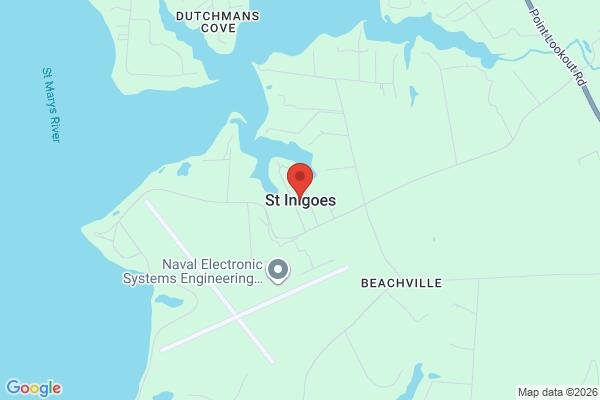
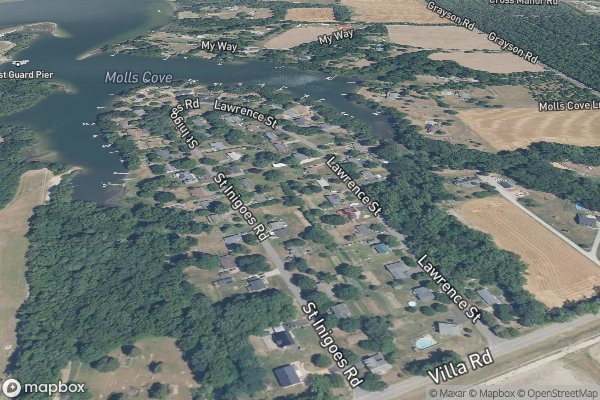
If you’re living in the 20684 area, you already know the unique character of our homes. Many properties here date back decades, built when a simple toggle switch was cutting-edge technology. Now you’re looking at Ring video doorbells, Lutron Caseta dimmers, and whole-home automation systems. The gap between what you want and what your electrical system can handle isn’t always obvious—until you’re halfway through installation.
Why Your Current Wiring Might Sabotage Your Smart Home Dreams
Most smart devices need more than the basic hot and ground wires found in older homes. Smart switches, dimmers, and thermostats typically require a neutral wire to power their internal computers and maintain Wi-Fi connectivity. Here’s the challenge: homes built before the 1980s in Saint Inigoes often lack neutral wires at switch boxes, especially in original sections of the house. You might have modernized wiring in your kitchen from that 2005 renovation, but the bedroom switches? Still running on two-wire systems from 1962.
The transformer situation presents another common headache. That Ring video doorbell you ordered requires 16-24 volts and at least 10VA of power. Your existing doorbell transformer, tucked away in a closet or basement, probably delivers 8-16 volts at best—enough for a mechanical chime, but not enough to power HD video streaming and motion detection. Without a Ring doorbell transformer upgrade, you’ll experience constant disconnections, poor video quality, or a doorbell that simply won’t initialize.
Smart Switch Installation Options When You’re Missing a Neutral Wire
Before you tear into your walls to run new wiring, consider these approaches for smart switch installation no neutral wire situations:
- Lutron Caseta switches: These work without neutral wires by using a small “perch” of power from the load. They’re reliable and integrate with virtually every smart home platform. Expect to pay $50-80 per switch, plus installation costs of $75-150 per location depending on complexity.
- C by GE switches: Another no-neutral option that’s budget-friendly ($30-40 per switch) but requires a C-Reach bridge and only works with certain bulb types. Good for testing smart lighting before committing to whole-home installation.
- Add neutral wires: For whole home smart lighting installation, running neutral wires to all switch boxes provides the most flexibility for future upgrades. In Saint Inigoes homes with accessible attics or basements, electricians can often fish wires without major drywall work. Budget $150-300 per switch location for this approach.
- Smart bulbs instead of switches: Leave dumb switches in place and install smart bulbs like Philips Hue. This sidesteps wiring issues entirely but costs more long-term ($15-60 per bulb versus $50-80 per switch controlling multiple fixtures).
Common Mistakes That Turn Smart Upgrades Into Expensive Disasters
The biggest error homeowners make? Assuming all smart devices are interchangeable. A smart dimmer switch installation requires different considerations than a standard smart switch. Dimmers need compatible dimmable LED bulbs—installing a smart dimmer with non-dimmable LEDs causes buzzing, flickering, and premature bulb failure. Also, most smart dimmers have minimum load requirements (usually 25-40 watts), meaning that single LED bulb in your hallway won’t provide enough draw for the dimmer to function properly.
Smart thermostat wiring and installation presents another pitfall. Maryland’s humid summers and cold winters mean your HVAC system likely includes both heating and cooling stages, possibly with auxiliary heat strips. A basic smart thermostat might handle a simple furnace setup, but homes in Saint Inigoes with heat pumps need thermostats specifically rated for multi-stage systems. Installing the wrong thermostat can damage your HVAC system or leave you without heat during a January cold snap coming off the Chesapeake Bay.
What Should Professional Smart Home Electrical Installation Cost in the 20684 Area?
Pricing varies based on your home’s wiring condition and project scope, but here are realistic ranges for Saint Inigoes:
- Single smart switch or dimmer installation: $125-200 (including device) when neutral wires exist; $200-350 when wiring modifications are needed
- Smart thermostat installation: $175-300 for straightforward replacements; $300-500 when adding a C-wire from your HVAC system or installing a separate transformer
- Ring doorbell with transformer upgrade: $200-350 depending on transformer location accessibility
- Whole home smart lighting (10-15 switches): $2,500-5,000 including devices, labor, and any necessary wiring upgrades
These prices reflect the reality that many Saint Inigoes homes require extra work beyond simple device swaps. Get multiple quotes and ensure contractors are licensed in Maryland and familiar with both modern smart technology and older home electrical systems.
Finding the Right Electrical Professional for Your Smart Home Project
Look for licensed electricians in Saint Inigoes, MD who specifically mention smart home experience—not all electricians stay current with rapidly evolving technology. Ask potential contractors about their experience with your specific devices and whether they’ve worked with homes similar to yours in the 20684 area. The right professional will assess your existing wiring before quoting, explain your options clearly, and help you prioritize upgrades that deliver the most value for your investment.