When Your Historic Wellesley Hills Home Meets 21st Century Technology
Last week, you finally bought that sleek new smart thermostat you’d been eyeing. The box promised “easy installation” and energy savings of up to 23%. But when you pulled off your old thermostat cover, you stared at a confusing tangle of wires that definitely didn’t match the color-coded diagram in the instruction manual. Welcome to the reality of smart home electrical installation in Wellesley Hills, where gorgeous Colonial and Tudor homes built in the 1920s and 30s weren’t exactly designed with Alexa integration in mind.
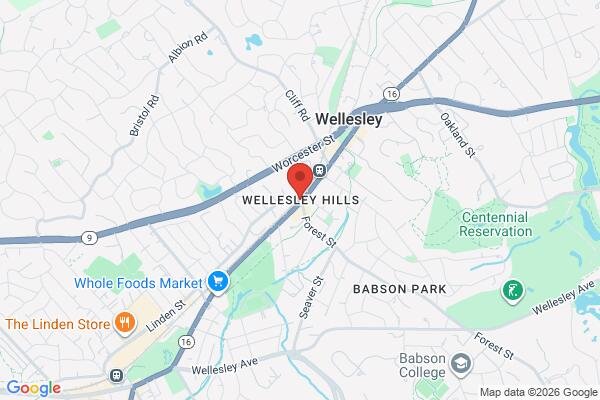
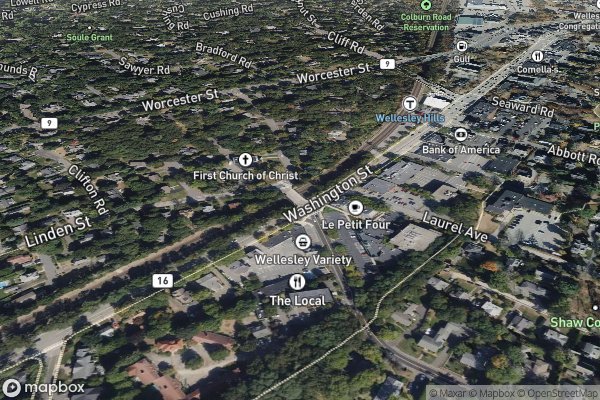
The challenge isn’t just about old wiring—it’s about modernizing your home’s electrical infrastructure without compromising the character that makes Wellesley Hills properties so desirable. Many homes in the 02481 area feature original electrical systems that need thoughtful upgrades to safely support today’s smart home technology. You’re not just installing a fancy light switch; you’re bridging nearly a century of electrical evolution.
Why Your Smart Switch Won’t Work (And What You Can Do About It)
Here’s the most common roadblock homeowners hit: smart switch installation with no neutral wire. If your home was built before the 1980s, there’s a good chance your switch boxes only contain a hot wire and a load wire—no neutral. Modern smart switches need that neutral wire to maintain their WiFi connection even when the lights are off. You’ll notice this problem immediately when you open your switch box and see only two wires instead of three.
You have three realistic options here. First, you can hire an electrician to run new three-wire cable from your electrical panel to each switch location—this is the gold standard solution but typically runs $250-400 per switch location depending on wall accessibility and distance. Second, you can use specialty smart switches designed for no-neutral installations, like Lutron Caseta or Inovelli Red Series switches, which work with most LED bulbs and cost around $50-80 per switch. Third, you can install a smart relay at the light fixture itself instead of the switch, keeping your existing switches intact while adding smart control. Each approach has tradeoffs between cost, convenience, and functionality.
What About Smart Dimmer Switch Installation?
Smart dimmer switches face the same neutral wire challenge, but they’re even pickier about what bulbs you’re using. That beautiful vintage chandelier in your dining room? If you’ve installed dimmable LED bulbs, you need to verify they’re compatible with smart dimmers or you’ll experience flickering, buzzing, or premature bulb failure. Professional smart dimmer switch installation costs between $150-300 per location when neutral wires are already present, or $300-500 when rewiring is required.
The Ring Doorbell Reality Check
You’d think a video doorbell would be simple—just mount it and connect it to your existing doorbell wires, right? Not quite. Most Wellesley Hills homes have doorbell transformers that output 16 volts, but many smart doorbells (especially Ring Video Doorbells Pro and Pro 2) require at least 16-24 volts and sufficient amperage to power the video camera, motion detection, and night vision simultaneously. A Ring doorbell transformer upgrade typically costs $175-275 and takes about an hour for a licensed electrician to complete. The transformer is usually located near your electrical panel or attached to a junction box in your basement or utility closet.
During Massachusetts winters—and we all remember that brutal February cold snap last year—underpowered Ring doorbells frequently go offline or fail to charge their internal batteries. The upgrade isn’t optional if you want reliable performance when temperatures drop below 20°F.
Questions to Ask Before You Commit to Whole Home Smart Lighting Installation
If you’re considering whole home smart lighting installation, you’re looking at a project that ranges from $2,500-8,000 depending on your home’s size and current wiring situation. Before you get quotes, understand what you’re actually buying:
- Do you want a hub-based system (like Lutron RadioRA or Control4) or individual WiFi switches? Hub systems are more reliable and don’t bog down your home network, but cost more upfront.
- Will your existing electrical panel support the additional load? Many older Wellesley Hills homes have 100-amp service, which might need upgrading to 200-amp for extensive smart home integration.
- How will the system handle visitors and houseguests? Nothing’s more frustrating than guests who can’t figure out how to turn on a bathroom light at 2 AM.
- What happens during power outages? Smart switches typically default to “on” when power is restored—is that what you want?
- Does the contractor pull permits and understand local code requirements? Wellesley requires permits for most electrical work beyond simple device replacement.
- What’s the warranty on labor and materials? Installation warranties should cover at least one year; equipment warranties vary by manufacturer.
Smart Thermostat Wiring: When C-Wire Issues Derail Your Weekend Plans
Smart thermostat wiring and installation trips up more DIYers than any other smart home project. The issue? Most older HVAC systems in Wellesley Hills lack a “C” wire (common wire) that provides continuous 24-volt power to the thermostat. Without it, smart thermostats like Nest, Ecobee, or Honeywell Home models will drain their backup batteries and shut down unexpectedly—usually during the coldest night in January when you need heat most.
Professional installation with C-wire addition costs $200-350 and takes 1-2 hours. The electrician will either run a new wire from your furnace to the thermostat, install a C-wire adapter at the furnace, or in some cases, install a small transformer near the thermostat. This isn’t just about convenience—improperly wired smart thermostats can damage your HVAC system’s control board, resulting in repair bills exceeding $500.
Finding the Right Electrical Professional for Your Smart Home Project
When you’re ready to move forward with smart home electrical installation in Wellesley Hills, look for licensed electricians with specific experience in home automation systems—not just general residential wiring. Ask to see photos of previous smart home installations and verify they’re familiar with the particular products you want to install. A qualified local electrician serving the 02481 area should also understand the unique challenges of working in older homes and can often suggest creative solutions that preserve your home’s original character while bringing it into the connected age.