“`html
When Your Smart Home Isn’t So Smart: Solving the Dead Switch Problem
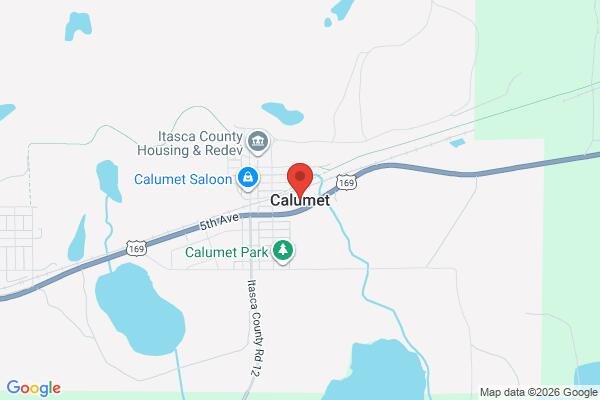
You’ve just unboxed that sleek new smart dimmer switch, excited to control your living room lights from your phone or with a voice command. But as you remove the old switch plate in your Calumet home, your heart sinks—there’s no neutral wire. Just two black wires and a bare copper ground staring back at you. This scenario plays out in countless homes across the 55716 area, especially in properties built before the 1980s when neutral wires in switch boxes weren’t standard practice. The good news? Smart home electrical installation in older Minnesota homes is absolutely possible, but it requires the right approach and often professional expertise to navigate the unique challenges of our region’s housing stock.

What Makes Smart Home Electrical Installation Different in Calumet Homes?
The Iron Range has a distinctive mix of historic mining-era homes and mid-century construction, and this architectural diversity creates specific considerations for smart home upgrades. Many homes in Calumet feature aluminum wiring from the 1960s and 70s, knob-and-tube remnants in attics, and electrical panels that haven’t been updated in decades. When you’re planning smart thermostat wiring and installation or whole home smart lighting installation, these factors matter significantly. Modern smart devices draw continuous low-level power—even when “off”—which means they need proper grounding and stable power delivery that older electrical systems weren’t designed to provide.
Minnesota’s extreme temperature swings also affect smart device performance. That Ring doorbell you’re considering needs adequate voltage, typically 16-24 volts AC, but cold winter temperatures can cause voltage drops in existing transformer systems. A Ring doorbell transformer upgrade becomes essential when temperatures plummet to -20°F or below, ensuring your doorbell continues functioning reliably when you need it most. Many homeowners discover their existing transformer is only providing 10-12 volts during deep cold snaps, causing connection issues and missed alerts.
The No-Neutral Wire Dilemma: Your Options Explained
If you’ve encountered the no-neutral situation, you have several paths forward. Option one: Install smart switches specifically designed to work without neutral wires. Brands like Lutron Caseta and Inovelli make switches that use alternative wiring methods, though they typically cost $50-80 per switch versus $30-45 for standard smart switches. These work by maintaining a tiny current through your light bulbs, which means they may not be compatible with certain LED bulbs or may cause a faint glow when lights are “off.”
Option two: Run new neutral wires to your switch boxes. This is the gold standard for smart switch installation no neutral wire situations, costing roughly $150-300 per switch box depending on accessibility. In Calumet’s older homes with plaster walls and limited attic access, this can be challenging but provides the most flexibility for future upgrades. An electrician can often fish wires through existing walls, though sometimes strategic drywall patches are necessary.
Option three: Use smart bulbs instead of smart switches. This bypasses the wiring issue entirely since the intelligence lives in the bulb rather than the wall switch. However, you’ll need to leave wall switches in the “on” position permanently, which confuses guests and family members. Smart bulbs also cost $15-35 each, so outfitting multiple fixtures adds up quickly.
Common Mistakes That Cost Calumet Homeowners Money
The biggest mistake we see is homeowners buying devices before understanding their home’s electrical capacity. Here’s what typically goes wrong:
- Overloading circuits: Adding multiple smart devices to circuits already near capacity. A whole home smart lighting installation might require 20-30 devices all drawing standby power continuously. Older 15-amp circuits may struggle with this cumulative load.
- Ignoring grounding issues: Smart devices need proper grounding for surge protection and stable operation. Many older Calumet homes have ungrounded outlets that need updating before smart installation.
- Skipping the panel evaluation: If your electrical panel still has screw-in fuses or a 60-amp main breaker, you’ll need upgrades before extensive smart home integration. Panel upgrades in Calumet typically run $1,500-3,000.
- DIY thermostat wiring errors: Smart thermostat wiring and installation seems straightforward until you encounter uncommon wire configurations or lack a C-wire (common wire) for continuous power. Incorrect wiring can damage your HVAC system’s control board—a $300-800 repair.
- Mixing incompatible devices: Not all smart home protocols work together. Choosing devices across different ecosystems (Zigbee, Z-Wave, Wi-Fi, Thread) without a compatible hub creates frustration.
Questions to Ask Before Hiring an Electrician for Smart Home Upgrades
When getting quotes for smart home electrical installation in the 55716 area, probe beyond basic pricing. Ask if they’ve worked with your specific home’s wiring type—aluminum wiring requires special connectors and techniques. Inquire about their experience with low-voltage transformer installations for devices like video doorbells. A quality electrician should assess your entire electrical system, not just install the device you’re requesting. They should also discuss whether permits are required; in Calumet, even seemingly minor electrical work may need permitting and inspection to maintain code compliance and protect your homeowner’s insurance coverage.
Finding the Right Smart Home Electrical Professional in Calumet
Smart home technology transforms how you interact with your living space, but only when installed correctly on a sound electrical foundation. Look for licensed electricians in Calumet, MN who explicitly mention smart device experience and can provide references from similar projects in older homes. The right professional will spend time evaluating your current electrical system before recommending specific products, ensuring your smart home investment works reliably through Minnesota’s challenging seasons.
“`