“`html
When Your 1980s Edgewater Ranch Home Isn’t Ready for 2025 Technology
Picture this: You’ve just unboxed your shiny new smart dimmer switches, eager to control your living room lights from your phone. You flip off the breaker, remove your old switch plate, and… there’s no neutral wire. Just the hot wire and the load wire staring back at you from inside that beige electrical box. Welcome to one of the most common frustrations facing homeowners in Edgewater’s older neighborhoods, where many homes were built when a neutral wire at the switch location wasn’t standard practice. Your smart home dreams just hit a very analog roadblock.
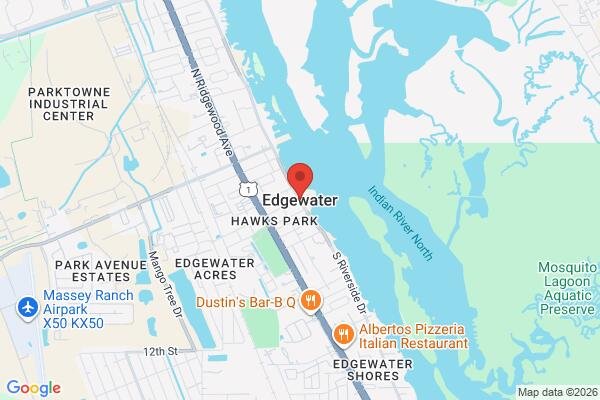
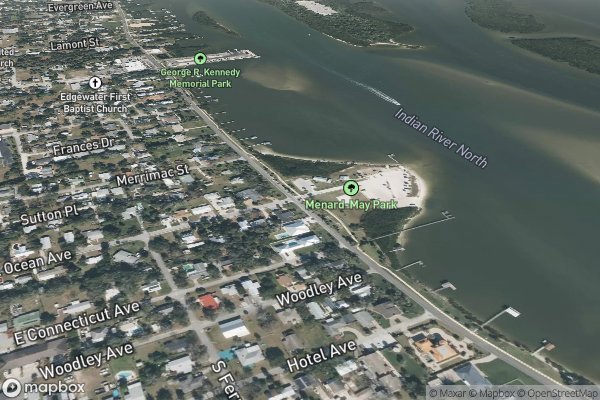
Smart home electrical installation in Edgewater, FL isn’t always as plug-and-play as the packaging suggests. Between our coastal humidity affecting wireless signals, older wiring systems in established neighborhoods near Indian River Boulevard, and the specific electrical requirements of modern smart devices, there’s more to consider than just following a YouTube tutorial. The good news? Understanding what your home actually needs—and what’ll work with your existing electrical system—can save you hundreds of dollars and hours of frustration.
What Makes Smart Home Wiring Different from Regular Electrical Work?
Traditional light switches are simple: they break or complete a circuit. Smart switches, thermostats, and connected devices are mini-computers that need constant power to maintain their wireless connections and respond to your commands. This is where that missing neutral wire becomes critical. In many Edgewater homes built before the 1990s, electricians only ran hot and load wires to switch boxes because that’s all that was required by code. Smart devices need that neutral wire to complete their circuit and stay powered 24/7, even when your lights are “off.”
Here’s what typically happens during a professional smart home electrical installation in the 32141 area. An experienced electrician will first assess your existing wiring situation—this usually takes 30-45 minutes for a whole-home evaluation. They’re checking for neutral wires at switch locations, verifying your electrical panel can handle additional smart devices (older panels sometimes max out at 100 amps), and identifying any outdated wiring that could cause problems. For a Ring doorbell transformer upgrade, they’ll check whether your existing doorbell transformer provides the necessary 16-24 volts and 10-40 VA that Ring devices require. Many original transformers in older Edgewater homes only provide 10-16 volts, which causes intermittent connection issues and that annoying “low power” notification.
Your Smart Switch Installation Options When There’s No Neutral Wire
If you’re facing the no-neutral-wire situation, you’ve got three realistic paths forward, each with different costs and complexity:
- Install smart switches that don’t require a neutral wire: Products like Lutron Caseta and Inovelli Red Series work without neutrals, though they typically cost $50-80 per switch versus $30-50 for standard smart switches. They use your home’s ground wire to complete the circuit. Installation runs $75-150 per switch location in Edgewater if you’re hiring a pro.
- Run new neutral wires to your switch boxes: This is the most permanent solution but also the most invasive. Expect to pay $200-400 per switch location depending on wall access and distance from the breaker panel. In Edgewater’s concrete block homes, this often means more extensive work than in frame construction. Budget 2-3 hours per location minimum.
- Install smart bulbs with dumb switches: Technically not a switch solution, but smart LED bulbs (Philips Hue, LIFX) give you app control without touching your wiring. You’ll pay $15-60 per bulb, and you need to leave wall switches in the “on” position always. Not ideal for whole-home applications, but perfect for rental properties or temporary solutions.
- Use smart switch covers or battery-powered controllers: These clever devices mount over your existing dumb switch and physically flip it on command. Switchbot makes popular versions for $30-40 each. They’re a bit kludgy but require zero wiring changes.
What About Whole Home Smart Lighting Installation Costs in Edgewater?
For a typical 1,500-2,000 square foot home in Edgewater with 15-20 switch locations, whole home smart lighting installation typically runs $2,500-5,500 depending on your existing wiring situation and product choices. That includes the switches themselves, professional installation, hub setup if required, and basic programming. Smart thermostat wiring and installation adds another $250-450 to your project, though many HVAC systems in Florida homes already have the C-wire (common wire) that smart thermostats need since continuous-fan operation is common here for humidity control.
One mistake homeowners make is buying all their smart devices before understanding their home’s electrical infrastructure. You might score a great deal on Nest switches only to discover they require neutral wires you don’t have. Another common issue: mixing too many different smart home ecosystems. If your switches are Z-Wave, your doorbell is Wi-Fi, your thermostat is Thread, and your lights are Zigbee, you’ll need multiple hubs and apps. Working with an electrician who understands smart home integration helps you choose compatible products from the start.
Smart Dimmer Switch Installation: Florida-Specific Considerations
Our coastal climate in Edgewater creates unique challenges for smart home devices. Salt air accelerates corrosion on electrical connections, and humidity can cause wireless signal degradation. When installing smart dimmer switches, ensure your electrician uses dielectric grease on connections and verifies your electrical boxes have adequate depth—smart switches are bulkier than traditional switches and generate more heat. In older metal boxes common in Edgewater homes, inadequate depth can cause overheating and wireless interference. Most smart dimmers need at least 2.5 cubic inches of box volume and shouldn’t be crammed in with multiple wire nuts and other devices.
Finding the Right Electrician for Your Edgewater Smart Home Project
When getting quotes for smart home electrical installation in Edgewater, FL, ask contractors specifically about their experience with no-neutral installations and which product ecosystems they’re most familiar with. A qualified electrician should be able to explain compatibility issues between devices and suggest solutions that work with your home’s existing wiring. Look for someone who’s both a licensed electrician and genuinely knowledgeable about smart home technology—not every great electrician has kept up with this rapidly evolving field, and not every tech-savvy person understands Florida electrical code requirements.
“`