“`html
When Your “Smart” Home Refuses to Cooperate with Vinton’s Older Electrical Systems
Picture this: You’ve just unboxed a sleek new smart dimmer switch, ready to join the 21st century and control your living room lights from your phone. You pull off the old switch plate, peer into the wall cavity, and realize your 1970s-era Vinton home has exactly two wires staring back at you—no neutral wire in sight. Your excitement deflates faster than a beach ball in the Sierra Valley wind. This scenario plays out constantly in homes throughout the 96135 area, where charming older construction meets modern smart home ambitions. The good news? Smart home electrical installation doesn’t have to mean rewiring your entire house, but it does require understanding what you’re working with and when to call in professional help.
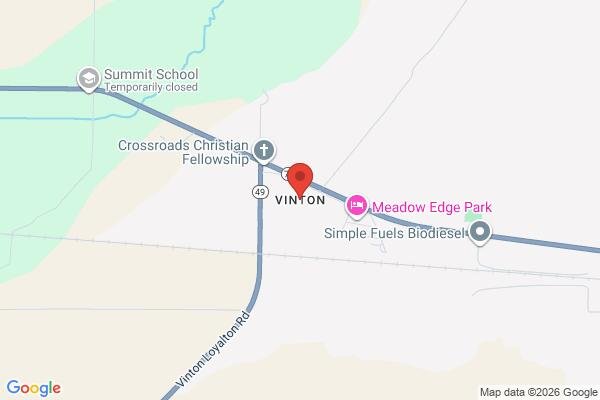

Why Vinton Homes Present Special Smart Home Challenges
Many properties in Vinton were built during eras when electrical codes looked dramatically different than they do today. If your home predates the 1980s, you’ll likely encounter switch boxes without neutral wires—a critical component most smart switches need to power their WiFi radios and touchscreens even when the lights are off. Mountain homes in our area also face temperature extremes that can affect smart device performance, from sub-zero winter nights to summer days that push thermostats to their limits. Additionally, Vinton’s rural location means you need rock-solid electrical infrastructure since professional help isn’t around every corner. A poorly installed smart switch that trips your breaker at 2 AM during a February cold snap becomes a genuine emergency when temperatures plummet.
Three Common Smart Installation Mistakes That Cost Vinton Homeowners Hundreds
The DIY approach tempts many homeowners, but smart home electrical installation mistakes can range from annoying to dangerous. First, underestimating your Ring doorbell’s power requirements tops the list. Standard doorbell transformers put out 16 volts and 10 volt-amps—sufficient for that brass button your grandparents installed, but inadequate for video doorbells that need 16-24 volt-amps. Without a Ring doorbell transformer upgrade, you’ll experience constant disconnections, failed motion alerts, and eventual device failure. The transformer itself costs $15-30, but improper installation can short out your entire doorbell system or create fire hazards within your walls.
Second, homeowners frequently purchase incompatible smart switches for their existing wiring. Lutron Caseta switches work beautifully without neutral wires, while most TP-Link Kasa switches absolutely require them. Buying the wrong product means either returning it or paying an electrician $150-300 to run new wiring to that box. Third, smart thermostat wiring trips up even confident DIYers. Your old mercury thermostat might use just two wires, but modern smart thermostats like the Nest or Ecobee typically need a C-wire (common wire) to maintain constant power. Some HVAC systems hide unused C-wires bundled in the wall; others require running entirely new 18/5 thermostat wire from your furnace—a job that can take professionals two to four hours and cost $200-400 depending on wire run complexity through your attic or crawlspace.
What Smart Home Electrical Installation Actually Costs in the 96135 Area
Setting realistic budget expectations prevents sticker shock. Here’s what professional installation typically runs for Vinton homeowners:
- Smart dimmer switch installation: $125-200 per switch, including the device. Expect the higher end if neutral wire installation is needed.
- Smart thermostat wiring and installation: $250-500 depending on whether C-wire exists, wire run distance, and wall patching required.
- Ring doorbell transformer upgrade: $175-275 including new transformer and professional installation with voltage testing.
- Smart switch installation no neutral wire: $150-225 per location using specialized switches like Lutron Caseta or C-by-GE options.
- Whole home smart lighting installation: $2,500-6,000 for a complete system covering 15-25 switches, depending on home size and whether you’re adding smart bulbs, switches, or both.
The Professional Advantage: Permits, Codes, and Long-Term Reliability
California electrical codes require permits for most smart home electrical installations beyond simple device swaps. Licensed electricians pull these permits as part of their service, ensuring your upgrades meet current NEC (National Electrical Code) standards and won’t create issues during home sales. They also carry insurance protecting you from damage during installation—critical when work involves opening walls or accessing attic spaces in older Vinton homes where surprises lurk. Professional installation typically includes warranty coverage (often 1-2 years on labor) and proper load calculations ensuring your circuits can handle additional smart devices without overloading.
Questions to Ask Before Hiring a Smart Home Electrician in Vinton
Not all electricians have equal smart home experience. Ask potential contractors: Do you have specific experience with homes built in the 1960s-80s lacking neutral wires? Can you show me examples of C-wire installations you’ve completed? What smart switch brands do you recommend for Vinton’s temperature variations, and why? Will you handle permit applications with Plumas County? These questions separate true smart home specialists from general electricians learning on your dime.
When you’re ready to upgrade your Vinton home with reliable smart technology, seek qualified electrical professionals in the 96135 area who understand both modern smart systems and older home electrical realities. Look for contractors offering free assessments of your existing wiring, transparent pricing, and proven experience with the specific devices you want installed.
“`